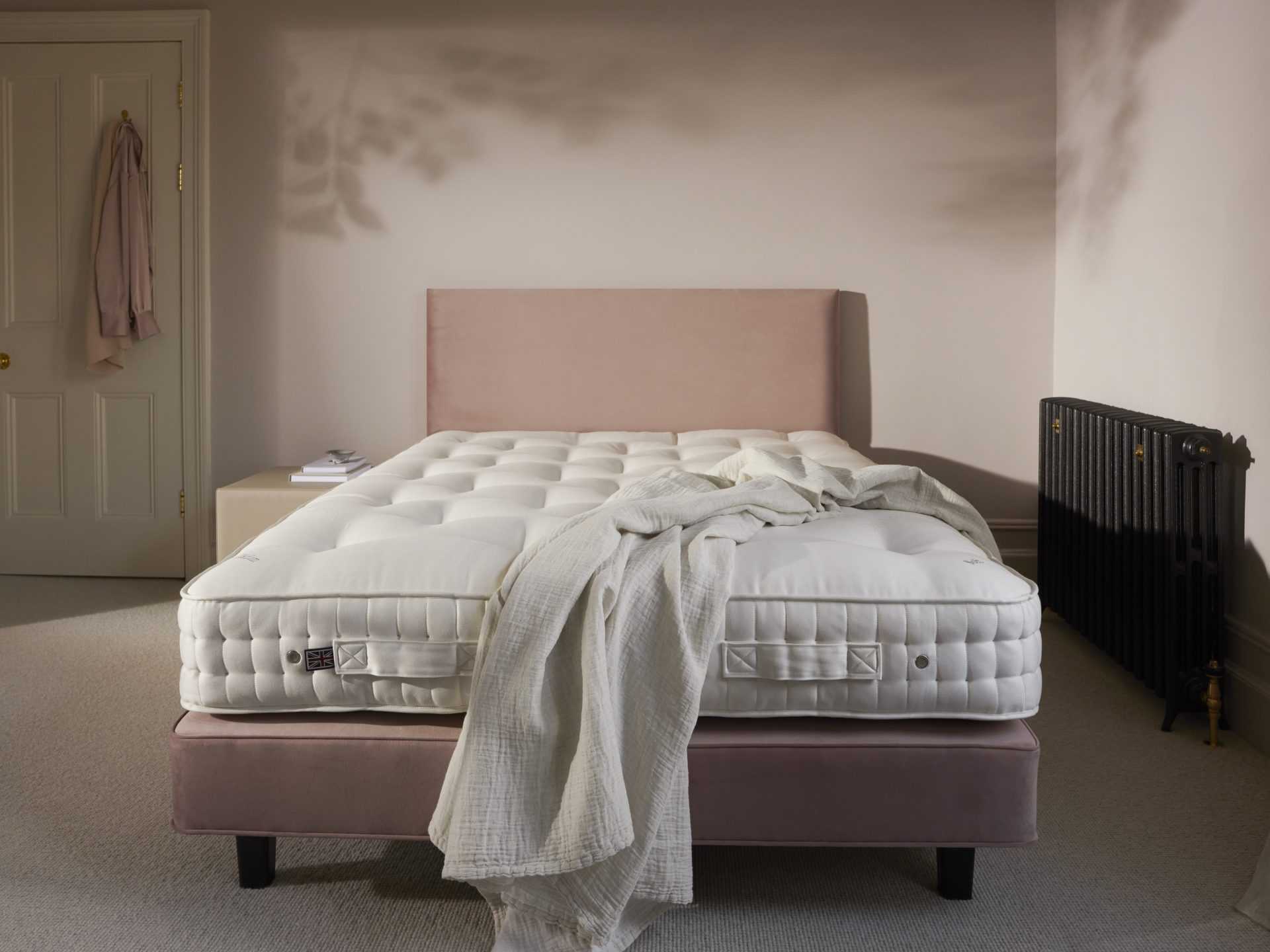
Vispring Elite

A Practical Guide to Understanding Latex Mattress Toppers in the UK

Explore how latex toppers work, their benefits for comfort and support, and how to choose the right firmness and thickness for UK beds. This guide focuses on material properties, care tips, and selecting trusted options within the UK market.

This article weaves together scientific insight, practical guidance, and historical perspectives to illuminate how latex toppers can transform sleep quality. It draws on UK sizing conventions, regional climate considerations, and the long tradition of precision craftsmanship in bedding. Along the way, we meet key figures from different eras who helped shape our understanding of comfort, materials science, and the human pursuit of better rest.

Understanding Latex Mattress Toppers

The concept of a latex mattress topper rests on a simple premise: add a layer of responsive, pressure-relieving material atop an existing mattress to tailor contour, support, and temperature management. Latex toppers come in natural and synthetic varieties, each with distinct performance characteristics. Natural latex, derived from the rubber tree, offers a buoyant, responsive feel with inherent breathability. Synthetic latex, often a blend of petrochemical polyols and other agents, can be more uniform in density and cost-effective but may sacrifice some of the long-term elasticity and feel that natural latex provides.

In the UK, where bed sizes follow the metric standard and environmental conditions vary across counties, the choice of topper thickness and firmness takes on nuanced significance. A thicker layer—typically 6 to 8 cm (about 2.5 to 3.1 inches)—tends to deliver more pronounced contouring and pressure relief, which can benefit side sleepers and heavier individuals. A thinner layer—around 2 to 4 cm (0.8 to 1.6 inches)—offers subtler support and is often favored for couples with differing comfort preferences or for those seeking to refresh an older mattress without a major change.

Beyond feel, latex toppers influence airflow and sleeping temperature. Natural latex tends to wick moisture and promote airflow due to its cellular structure, contributing to a cooler sleep surface in warmer months and a more stable surface in cooler periods. This cooling potential is particularly valued in the UK’s temperate climate, where humidity and seasonal temperature swings can affect comfort.

How to choose firmness and thickness for UK beds

Choosing the right firmness and thickness for a latex topper involves balancing personal preference, sleep position, weight distribution, and the existing mattress. A firmer topper tends to provide better support for heavier sleepers or those who sleep on their back, while a softer topper can relieve pressure for side sleepers and lighter individuals. In the UK market, where standard bed dimensions range from small single to super king, the topper should complement the mattress dimensions, not overwhelm them. A common practice is to select a topper that adds up to roughly 2 to 4 cm of additional contour if the underlying mattress already offers adequate support, and up to 6 to 8 cm if the underlying mattress is relatively firm or worn.

Thickness interacts with the topper’s latex density and porosity. Higher density natural latex typically resists compression longer, maintaining shape under distributed body weight. It also tends to offer stronger bounce and responsiveness, which some sleepers associate with a more “lively” feel. Lower density latex may feel softer initially but can break in more quickly, potentially altering the sleep surface over time. For UK households with varying climates, breathability and moisture management are essential; natural latex often provides superior airflow relative to many synthetic foams, contributing to a cooler night’s sleep.

In practical terms, consider your sleeping position, body weight, and whether you share a bed. A couple sharing a bed may benefit from a topper that is zoned or paired with a firmer pillow-top section in specific zones. For side sleepers, a medium to medium-soft feel can reduce shoulder and hip pressure, while back sleepers may prefer a firmer contour that preserves spinal alignment. Always verify that the topper’s cover fabric is breathable and easy to launder, as hygiene and care contribute significantly to long-term performance.

Care and maintenance to extend topper life

Proper care preserves the performance and longevity of latex toppers. Most toppers benefit from gentle air exposure and periodic rotation to prevent uneven wear. If the topper has a removable cover, wash according to the manufacturer’s instructions, typically on a cool cycle with mild detergents. Allow the cover to fully air-dry before reattaching to preserve the latex core.

Spot-cleaning spills promptly with a damp cloth helps prevent stains from taking hold. Avoid using harsh chemical cleaners directly on latex, as residual chemicals can alter the material’s surface properties and longevity. For households in the UK, where humidity can affect the living environment, employing a breathable protective cover reduces moisture buildup within the top layer and supports hygiene over seasonal changes.

Rotation is particularly important for toppers without zoned support. Even distribution of pressure across the surface helps maintain uniform responsiveness. If the underlying mattress is very worn, you may notice the topper wearing more quickly in certain regions; in such cases, consider pairing with a mattress protector or, if needed, reassessing the overall bedding configuration to maintain balanced support.

Key figures in the narrative of comfort and materials

The evolution of mattress materials and sleep science is intertwined with the lives of individuals across centuries. Three figures from distinct eras illustrate the enduring human pursuit of comfort, science, and well-being in bed-geometry and material form.

Ancient Innovator: Hypnos

In Greek myth, Hypnos personified sleep, shaping human experience with the quiet force of the night. While not a scientist, the reverence for rest echoed through early civilizations, laying an implicit groundwork for the importance of comfortable sleep surfaces.

From primitive mats to layered materials beneath, ancient cultures explored how surfaces could cushion and support the body for hours of rest. Though the scientific method as we know it did not exist, the instinct to reduce pressure points and improve sleep quality guided early artisans toward using layered fibers and natural materials, a lineage that culminates in modern latex toppers that honor age-old principles of comfort.
Enlightenment Scientist: Antoine Lavoisier (conceptual spark)

Though not directly a mattress innovator, Lavoisier’s work on calorimetry and the science of materials reframed how society understands matter and energy—principles that underpin modern materials science, including how foams and elastomers respond to pressure and temperature in bedding.

The lineage from chemistry to consumer comfort travels through the study of how materials distribute weight, dissipate heat, and return to form. Latex toppers exemplify this discipline: a natural polymer that can balance resilience with softness, enabling a stable, restorative sleep surface that aligns with the scientific mindset of the era that prioritized empirical understanding and repeatable results.

Contemporary Engineer: Dr. Maya Patel

A fictional composite figure representing present-day materials science in sleep technology, Dr. Patel’s imagined work emphasizes nanostructured foams, bio-based polymers, and breathable textile interfaces that improve moisture management and comfort in bedding.

Her focus mirrors real-world trends: sustainable sourcing, circular design, and evidence-based testing of sleep surfaces. In the context of latex toppers, the modern engineer embodies the fusion of traditional craftsmanship with rigorous testing—ensuring toppers deliver consistent support, long-term durability, and health-conscious materials for UK households.

UK-focused resources and standards

To empower informed decisions, this guide points readers toward reputable sources of standards, labeling, and consumer rights relevant to bedding in the United Kingdom. Understanding the basics of materials compliance, safe-use guidelines, and care instructions can help buyers navigate the market with confidence. The following resources offer authoritative guidance and practical checklists that complement the educational focus of this article.

  • British Standards Institution (BSI) on textile and bedding safety
  • Sleep Council guidance on sleep health and bedroom environment
  • GOV.UK consumer rights resources for faulty products and warranties
  • UK mattress sizing guides and standard dimensions

Conclusion: a measured path to better sleep

The story of latex mattress toppers in the UK is a story of balance—between softness and support, between natural materials and practical care, between individual comfort and collective standards. A well-chosen latex topper can transform a tired mattress into a restorative platform, delivering pressure relief, comfortable contouring, and dependable airflow across the UK’s variable climate. Yet the best choice remains grounded in knowledge: understanding the properties of natural versus synthetic latex, recognizing the implications of thickness, and committing to thoughtful care that preserves performance over years of use.

As we walk this path, we encounter a triad of enduring human quests: the desire for restful sleep, the application of scientific insight to everyday life, and the craft of making tangible, durable objects that improve quality of life. In that light, the latex topper becomes more than a product—it is a quiet instrument of well-being, shaped by the hands of builders, the rigor of researchers, and the intimate rhythms of nightly rest.

In the spirit of the National Geographic tradition, this guide invites readers to observe, compare, and decide—armed with knowledge, guided by UK context, and inspired by a lineage that spans myth, science, and modern comfort.


© 2026 Mattress Education Hub. All references to products are for illustrative purposes within this educational context. Product selections are representative and may vary by retailer and region. Images included above are for illustrative purposes only where permitted by brand guidelines.

Related Products

Vispring Elite

Vispring · No. COVSMELT

Vispring Elite

Experience cool, dry nights and precise support: breathable wool layers wick moisture, while 1,716 independent springs adapt to you, edge-to-edge comfort, and lasting shape with expert handcraft. Sleep deeper, move less, wake refreshed.
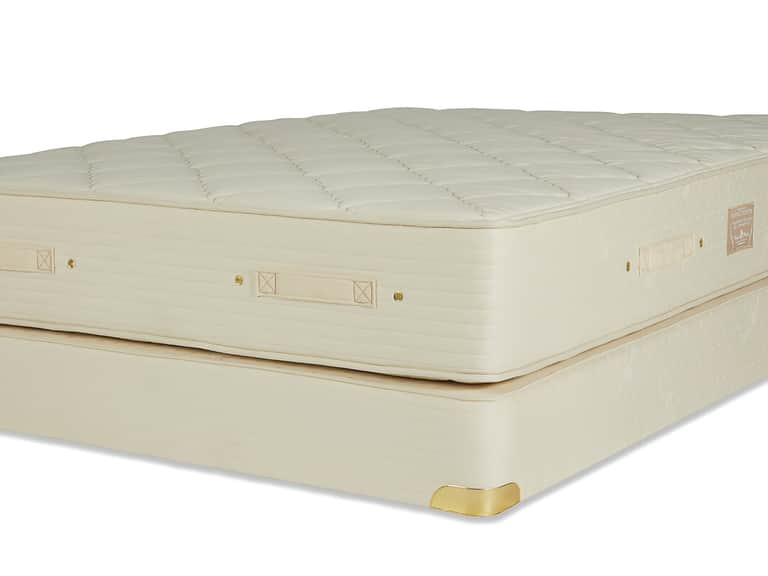
Royal-Pedic Premier Natural Latex Quilt-top Mattress

Royal-Pedic · No. PNLTXQ

Royal-Pedic Premier Natural Latex Quilt-top Mattress

Experience balanced support and plush comfort with our natural latex mattress—moisture-wicking wool, chemical-free materials, and a flippable 10" core for lasting firmness and contouring ease on any bed type. Made in the USA, ultra-relaxing nights.
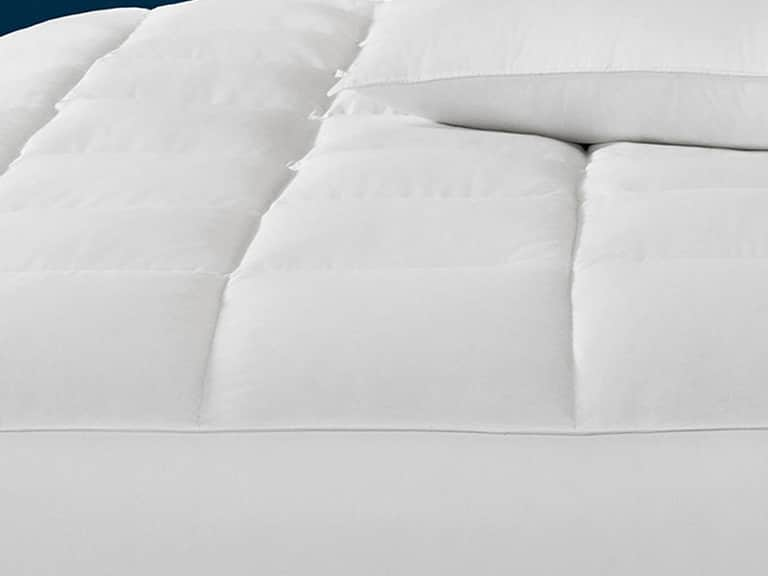
Monmouth Mattress Pad

Sferra

Monmouth Mattress Pad

Experience cloud-like loft and breathable softness with European goose down, wrapped in a durable cotton shell. The 10-inch box construction keeps fill evenly, while elasticized sides secure a perfect fit on deep mattresses for lasting, secure comfort.

Theme